
Finding the right physical activity can feel like a big decision when you see so many options listed online. Many families ask about martial arts vs karate when they start looking for local training centers. The difference is actually pretty simple once you break it down. Martial arts is a big overall name for combat sports around the globe. Meanwhile, karate is just one specific Japanese martial arts style within that big family. Knowing this distinction helps you pick the right class for your fitness and safety goals.
Martial Arts vs Karate: Which One Should You Learn First?
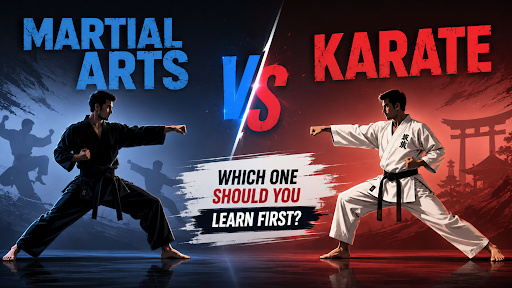
Deciding whether you want a wide variety of techniques or one dedicated discipline depends on what you want out of your weekly routine. Comparing martial arts vs karate side-by-side helps show how each approach works in everyday practice:
- Broad Options: Trying out different types of martial arts gives you a mix of skills, including throws, ground holding, and striking.
- Targeted Moves: Karate concentrates mainly on crisp straight punches, elbow hits, and sharp kick combinations.
- Building Discipline: Both options teach kids and adults how to show respect, stay patient, and build mental focus.
- Physical Fitness: Regular practice builds stronger muscles, faster reflexes, and better daily energy levels.
- Self-Defense Prep: Students learn practical ways on how to defend yourself if a risky situation ever comes up.
The Different Ways Students Practice Their Techniques
Every studio creates its own atmosphere depending on what they teach. Even so, good schools always focus on safety, steady practice, and clear teamwork:
- Traditional Forms: Training in specific karate styles features step-by-step solo routines called kata that teach balance and body control.
- Partner Drills: Students work together in controlled exercises to practice reaction speed and defensive timing without getting hurt.
- Light Sparring: Supervised practice matches give learners a safe space to test their moves against a moving partner.
- Safety Gear: Padded gloves, shin guards, and target pads keep every workout session safe and active.
- Belt Progress: Colored belts mark your personal growth, giving you clear goals to work toward every few months.
Comparing Strikes, Blocks, Kicks, and Other Techniques
Each style relies on distinct movements to keep you safe. Checking out how martial arts vs karate handle physical techniques makes it easy to see what fits your personality:
- Direct Punches: Karate uses clean, straight-line power for punches and blocks, making movements easy to understand and practice.
- Varied Defense: Broader martial arts training often mixes kickboxing, judo throws, and ground wrestling into a single workout.
- Defensive Kicks: Front snap kicks and side kicks give fighters simple tools to keep space between themselves and an opponent.
- Hard Blocking: Karate defense focuses on solid, direct blocks that push incoming strikes away from vital areas immediately.
- Strong Stances: Low, wide stances build strong leg muscles and help you stay firmly balanced on your feet.
FAQs
Here are simple answers to common questions beginners ask before joining their first class:
- Is karate good for young beginners?
Yes, enrolling in karate for beginners helps young people build body coordination, confidence, and focus very quickly. - How long does it take to earn a black belt?
It usually takes about three to five years of consistent, twice-a-week practice to reach a black belt. - Do you need to be fit before starting?
No, you naturally gain stamina, flexibility, and strength as you attend regular classes each week. - Are classes safe for school-aged kids?
Yes, certified instructors enforce strict safety rules, protective gear, and constant supervision. - Which option gives a better full-body workout?
Both choices offer great cardiovascular exercise, burn calories, and strengthen every major muscle group.
So, Which One Feels Right for You?
Choosing your path comes down to what you enjoy doing most. If you want to explore ground movements, joint holds, and many different fighting systems, trying a broad combat sport is a great idea. On the other hand, if you like sharp strikes, traditional routines, and a clear belt system, karate is an awesome choice. Either way, getting active on the mat builds confidence, discipline, and healthy habits that last forever.
Ready to build real strength, confidence, and practical self-defense skills today? Join the Karate India Federation to start your training journey with top expert coaches right now!