
Your first karate class probably will not look like the scenes you have seen in movies.
There is no dramatic flying kick. No one expects you to break a wooden board. In fact, your first lesson may be spent simply learning where to put your feet.
It might feel a little strange at first.
You watch the instructor demonstrate a stance, copy it, and then realise your balance is not quite right. You try again. Then comes the first punch. It looks easy until you actually have to do it yourself.
That is the reality of learning how to learn karate. You start small, make mistakes, and slowly get better.
Your First Real Challenge Is Standing Still
Before learning complicated techniques, a beginner needs to understand balance.
A good karate stance gives you a stable base. It allows you to move, defend yourself, and put proper power behind your techniques.
Your early classes may include:
- Learning basic stances and footwork
- Practising blocks and defensive movements
- Working on simple kicks
- Learning Karate Punches
- Improving flexibility and body coordination
- Understanding breathing and posture
None of this sounds particularly difficult on paper. Doing it correctly, however, takes practice.
That is why it is worth giving the basics your full attention.
When “One More Time” Becomes Part of Training
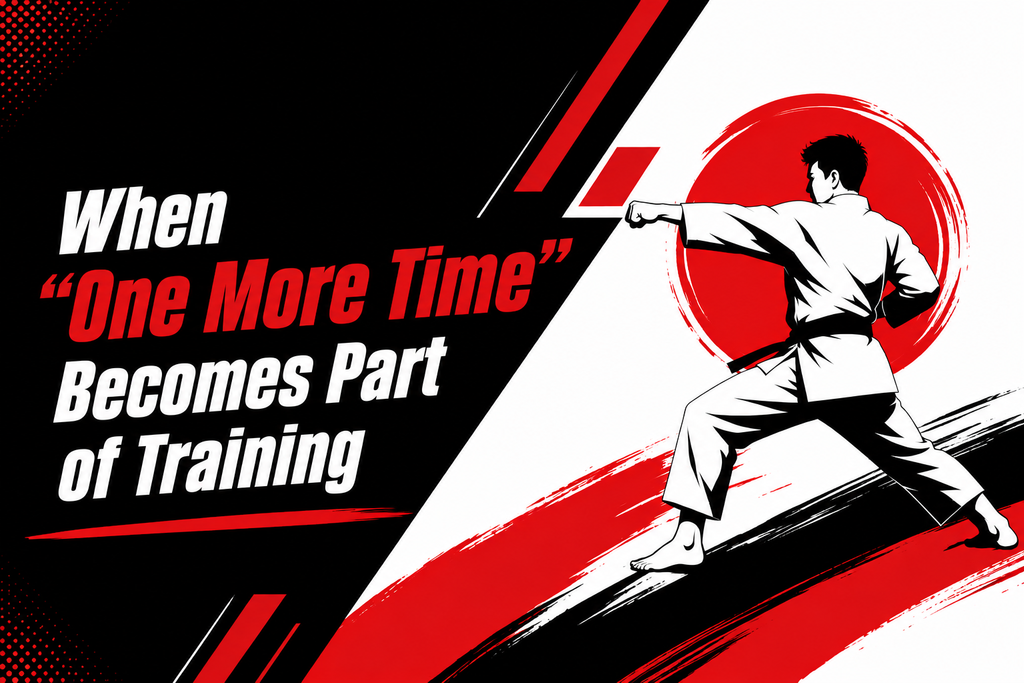
There is one thing almost every karate student gets used to hearing: “Do it again.”
You perform the punch. Your instructor watches. Something is slightly off, so you repeat it.
Maybe your shoulder is too tense. Maybe your foot is in the wrong position. Perhaps your punch is coming from the wrong angle.
These little details matter.
After enough repetition, something interesting happens. You stop thinking about every part of the movement. Your body begins to remember it.
That is why anyone wondering how to learn karate should not try to rush through the beginner stage. A few minutes of regular practice can be more useful than one exhausting session followed by a week without training.
Then You Meet the Kata
After spending time with individual techniques, you will eventually start learning kata in karate.
For someone new to karate, kata can feel like trying to remember a dance without music. There are steps, turns, blocks, punches, and changes in direction. Miss one movement and suddenly you are wondering what comes next.
But keep practicing.
After a while, the sequence starts staying in your memory. Your turns become cleaner. Your movements begin to flow instead of looking like separate actions.
Kata is not only about remembering a sequence. It teaches concentration, balance, timing, coordination, and control.
And perhaps most importantly, it teaches you not to give up just because something feels difficult at first.
Karate Has More Than One Road
As you spend more time around karate, you will hear about different karate styles, including Shotokan, Goju-Ryu, Shito-Ryu, and Wado-Ryu.
Each style has its own characteristics and approach to training. If you are new, you do not need to know everything immediately.
The person teaching you matters just as much.
Good Karate Coaching can help you understand the techniques instead of simply copying them. An experienced instructor can also notice mistakes that you might not see yourself.
Sometimes, one small correction is enough to make a movement feel completely different.
When the Training Gets Serious
Once the fundamentals become familiar, things start getting more interesting.
You may move on to combinations, controlled sparring, advanced kicks, defensive techniques, or competition training.
This is when you realize that karate is not just about throwing a strong punch.
You have to think about:
· How far you are from your opponent
· When to move
· How quickly to react
· When to defend
· How much force to use
Staying calm becomes just as important as being physically prepared.
The Biggest Lessons Are Not Always About Fighting
Ask someone who has trained in karate for years what they have learned, and they may tell you something you did not expect.
It is not only about fighting.
You learn to be patient. You learn to listen. You learn to accept correction. Most importantly, you learn that struggling with something does not mean you cannot eventually master it.
For learners in Noida, a structured self-defense academy can provide a regular environment to practice these skills, work with experienced instructors, and become more confident over time.
Progress can be easy to miss.
One day, a kick that once felt impossible suddenly works. A kata you kept forgetting finally comes together. You notice that your balance is better than it was a month ago.
Those small victories are what keep many students coming back.
Start Where You Are
There is no need to hurry through karate. Learn your stance. Practise your basic techniques. Work on your kata. Then, when you are ready, take on something more challenging.
If you are wondering how to learn karate, the simplest answer is to start with proper guidance and keep showing up.
You do not have to be strong or experienced on your first day. You just need to be willing to learn.
Karate India Federation offers structured karate training and guidance for students in Noida who want to build their skills from the basics onwards.